Problem
Bithumb exposes trading and holder data through its API, but traders and researchers lack a purpose-built dashboard that aggregates top holder activity over time and renders it in a single view. Consuming the API directly from the browser also leaks request patterns and complicates rate-limit handling. A split architecture with a Python data layer and a Next.js UI addresses both gaps.
Approach
- FastAPI for the data layer: Python’s ecosystem suits aggregation and the async runtime handles concurrent API calls cleanly.
- Next.js frontend with API proxy so upstream calls originate server-side, keeping request details off the client.
- Port-level separation (Next.js on 3000, FastAPI on 8000) for simple local development and deployment.
- Real-time visualisation as the primary UX target rather than historical reporting.
- TypeScript on the frontend for typed API contracts against the FastAPI responses.
Implementation
Data Pipeline
FastAPI backend consumes the Bithumb API, aggregates top holder data, and exposes normalised endpoints. Collection is automated and kept current for real-time tracking.
Dashboard UI
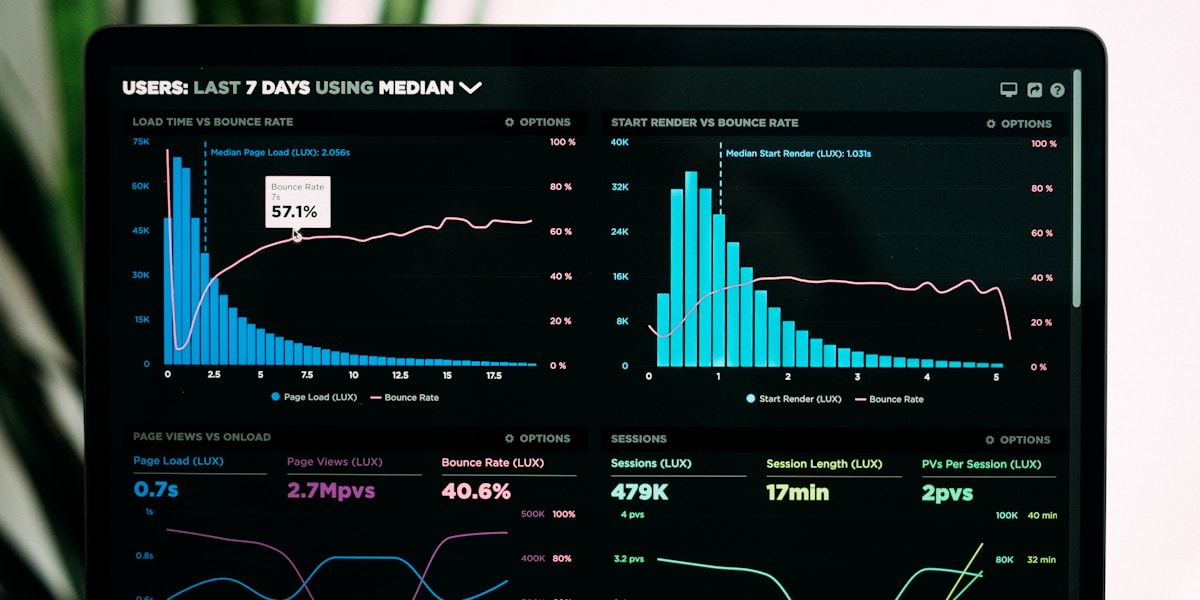
Next.js frontend with responsive layout consumes the FastAPI backend through a Next.js API proxy. Data is rendered in real-time visualisations of top holder activity.
Architecture
Request flow: User → Next.js (port 3000) → FastAPI (port 8000) → Bithumb API. Separation of concerns keeps data processing in Python and presentation in TypeScript.
Outcome
- End-to-end top holder monitoring from Bithumb API through to a visual dashboard.
- Server-side API proxy that keeps upstream credentials and request patterns off the client.
- Clean split between FastAPI data processing and Next.js presentation.
Technologies
- Backend: FastAPI, Python
- Frontend: Next.js, TypeScript
- API: Bithumb Exchange API